Salt Spring Island Archives

 2008039001.jpg
 2008039002.jpg
 2008039003.jpg
 2008039004e.jpg
 2008039005.jpg
 2008039006.jpg
 2008039006L.jpg
 2008039007.jpg
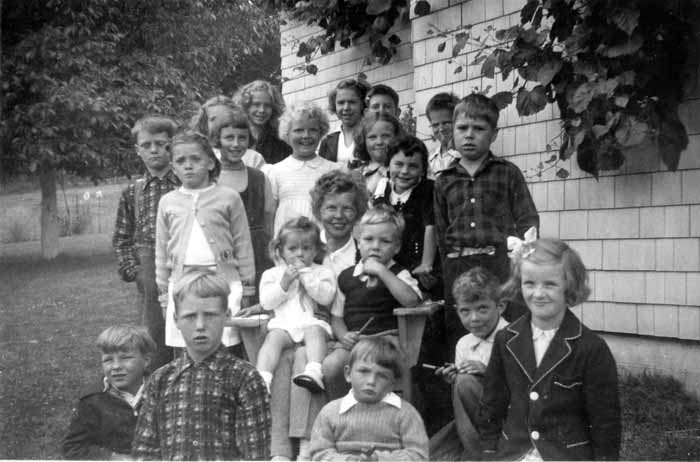 2008039008.jpg
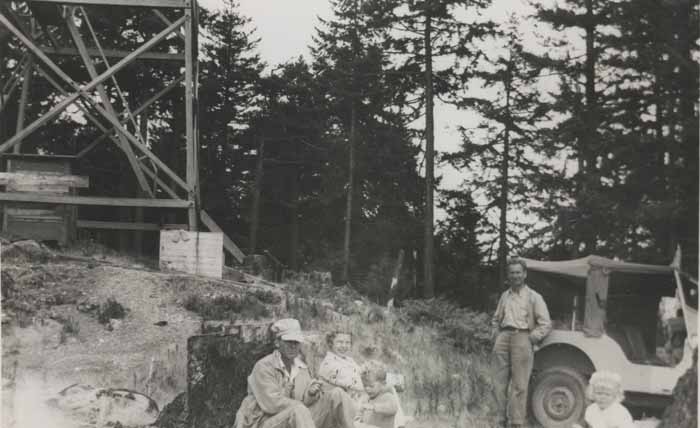 2008039009.jpg
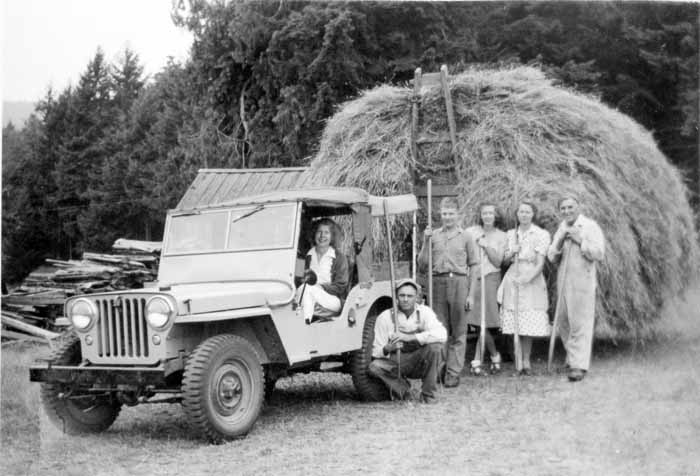 2008039010.jpg
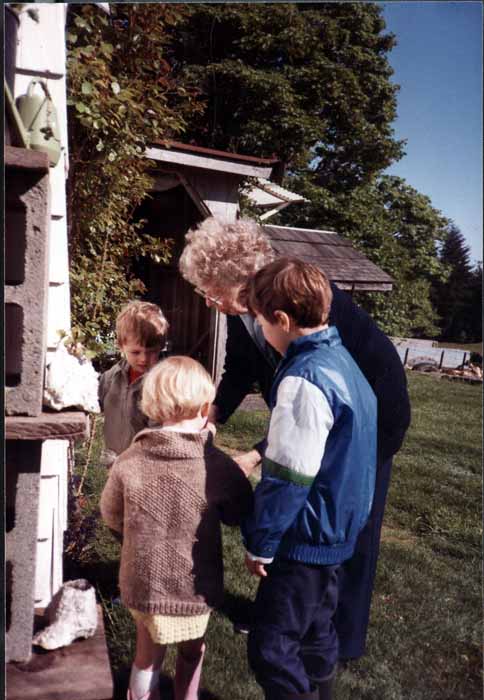 2008039011.jpg
 2008039012.jpg
 2008039013.jpg
 2008039014.jpg
 2008039014n.jpg
Accession number: 2008039001
Accession number: 2008039002
Accession number: 2008039003
Accession number: 2008039004e
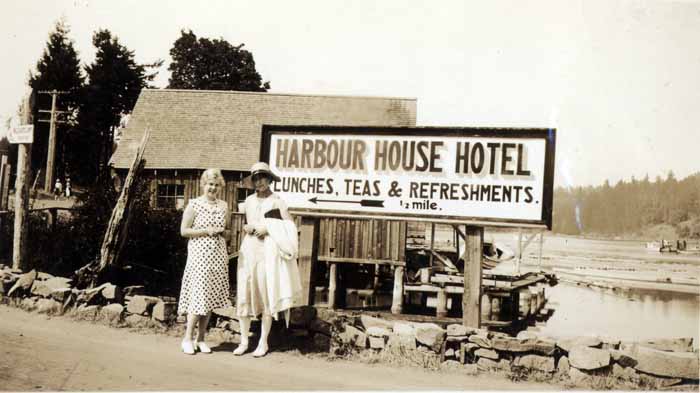
Accession number: 2008039005
Following image is an enlargement of this one.
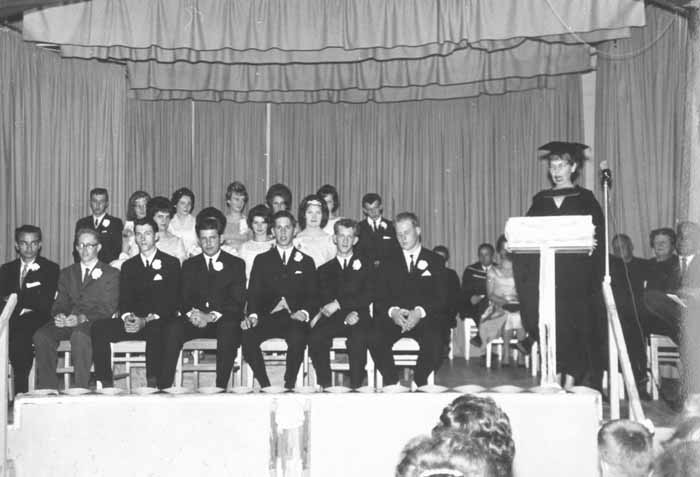
Accession number: 2008039006
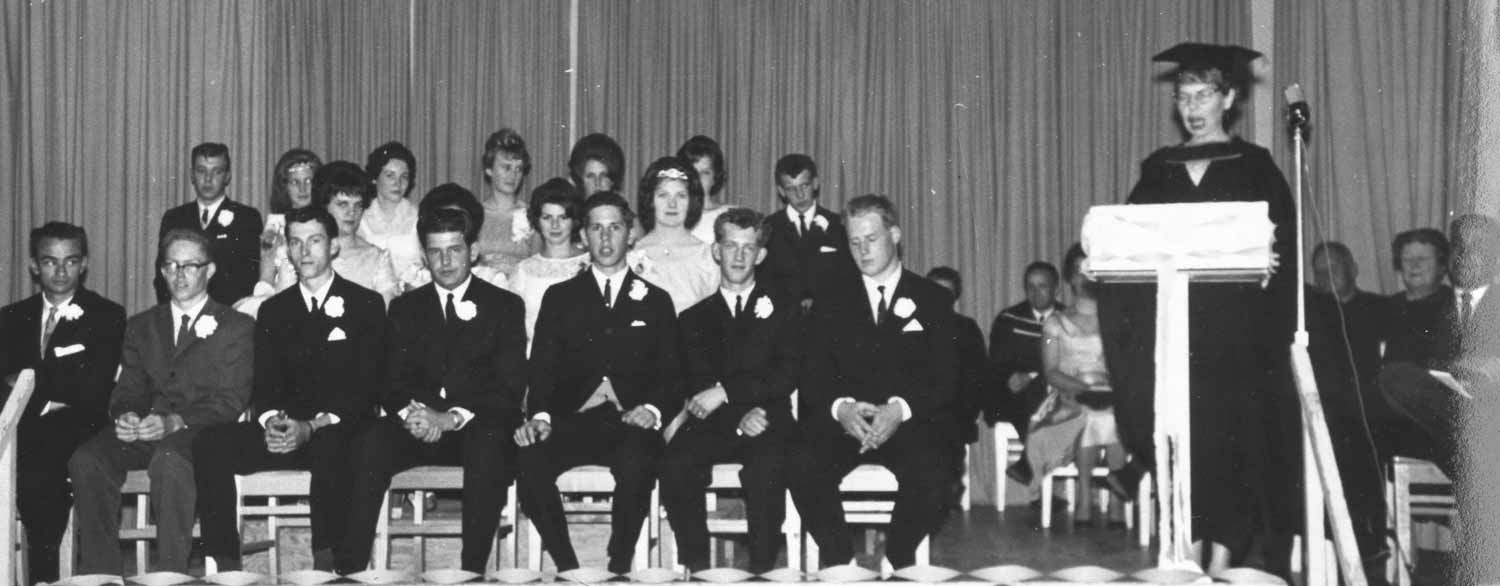
This image is an enlargement of the previous one.
Accession number: 2008039006L
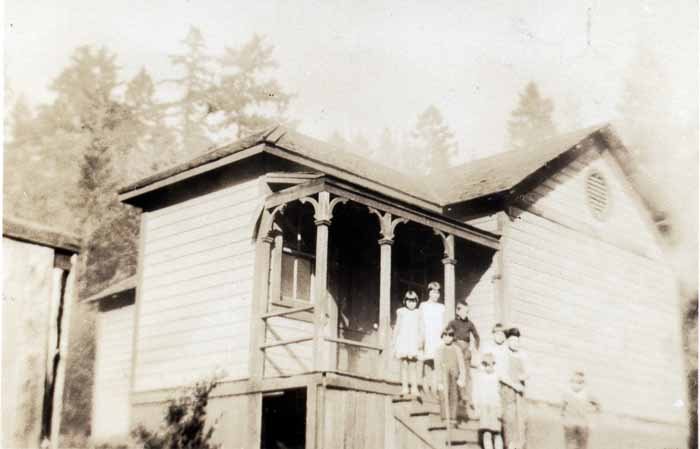
Accession number: 2008039007
Accession number: 2008039008
Accession number: 2008039009
l-r Florenc, Art, Bert Pyatt, Connie Mort---, Dorothy E---, A. Davis
Date: 1947
Accession number: 2008039010
Accession number: 2008039011
Accession number: 2008039012
Accession number: 2008039013
Accession number: 2008039014
Accession number: 2008039014n
First Teaching Post: the Divide School
I came to Salt Spring to teach in 1933. That was a time when it was very difficult for teachers to get a position, and I was employed by Mr. Bill Crawford - he was the School Board for this one particular school. [transcript note: this was the Divide School, on Blackburn Road] There were seven or eight schools, and each had their own Trustee, so each school was quite independent.
Boarding
I found a boarding place, it was on the Ganges hill, just above your place, and would walk up the road, and across the Old Divide Road, which was the original road coming down to Fulford. It would take me - how far was that? two miles I guess - and I would walk that to school. In the winter time we had school from half past 9.00 until 3.00, and in the summer time I’d have to be at school and we would start probably half past 8.00 and we’d continue on to half past 4.00 to make up for the time we lost in the winter.
The Schoolroom
The school was one room, oil floor, movable desks, and the old pot-bellied stove in the middle of the room. The teacher, being a very important person, she had her desk on a little dias, about six feet long; many a time I’ve tripped over that thing.
We had one black board that would be, oh, I guess 2 by 3 feet, on one side, and then a black board across the front. The teacher was allowed one brush per year, one box of chalk per year; you were given a bar of soap, some matches, and firewood, and if you didn’t have enough firewood to go, or to keep the fire going, well you and the youngsters all went out and had an hour of gathering up wood to keep the fire going.
Calling the Children In: the Old School Bell
The youngsters walked for miles, from the top of the Cranberry all the way down; they’d come down in the summer time in bare feet, coming down to the school. We had a great old bell that I used to go out and ring and let them know, and they’d come from all over, down by the lake [transcript note: Blackburn Lake, Robert’s Lake] and out through the trees and around; and the trees were right up tight to the school, there was no ground at all for them to play on, it was built on a shale bank.
The Cloakroom
You entered into the cloakroom, where there was a hook, and a cup for each child, a wash basin, and a towel, and soap; and it was the duty of one child to go out and get a bucket of water, which would last us until lunchtime.
The Schoolroom
And then, in the school, I‘ve forgotten just how many I had at first, it was probably about 14 students with about eight grades in the one classroom at a time. We did have the paper and pencil and pens, but we did find under the school, when we got to the ground, tidying the place up, the old slates that had been used in that building previous to my arrival.
Making a Playground
As we got school organised we decided we must have some sort of a playground, that was all there was to it. So I went to the Trustee and asked if he’d mind if we cleared out the brush? No, he didn’t mind at all, so we 14 of us set to, and we made a little school ground there. Then there was Mr. West here, and he gave us some old tires, he gave us some rope, and we made some swings and generally tidied the place up; we planted bulbs and flowers. The children took a great pride in that building.
Baseball
Then we decided, well, it would be nice if we’d play baseball. They’d made a gravel road out in the front there, so we played there, baseball on the gravel road. And then, a great gala occasion, we invited the school from the North End, to come down and play; oh dear, what a great game we had. I think it was about one of the first inter-school games that was ever played on the Island here. [Transcript note: This may well have been true regarding the public schools, which were all separated by difficult terrain; but there were certainly earlier inter-school games between Leonard Tolson’s Ganges Private School and the Formby House School, two of the numerous private schools in Ganges in the early twentieth century.]
Winter Time: Snow
They’d come to school, thought nothing of walking these miles; and I’d have a pot of soup on the stove, could warm soup for them.
Health Care
Any kind of cuts and bruises, I’d have to be the nurse for them. Eventually there was a doctor who came around and examined the children once a year, and if there was anything very wrong with them, they were looked after.
The Schools Inspector
The inspector arrived once a year; and you could hear his old Ford coming clackety clackety clack, and we’d always say “Well, here comes the Inspector!” and we were always on our best behaviour when he arrived, and he would stay all day long, 9 o’clock in the morning until 4. And then it was my treat to be driven back to Ganges in the Ford, it was one day in the year I didn’t have to walk.
Summer Time: So Hot
Summer time it would get so hot in that building out on there [Transcript note: still very true! the school site slope is a very hot spot on the Island] that we would take our lessons down towards the lake, underneath some of the trees that were there.
School Concerts
We had parties, and it was a great thing to have the school concerts, so the teachers on the Island would arrange “Well, I’ll have mine tonight, you have yours tomorrow”, and so it was entertainment for a whole week, every night. We’d just take the desks and put them all outside or around the edge. The local band - anyone that could play, played an instrument - helped. The policeman came as Santa Claus, we had a big tree, and there was always a small gift for each child; the Concert was given, and they danced, and we boiled the coffee outside, and prepared all the food, it didn’t matter what the weather was, everything was fine, and the little ones were put to sleep in desks or on desks and on the chairs and around, and everyone had a perfectly glorious time.
Home Visits: Bennett, Jameski, Crawford, Conery
Then it was always sort of the thing that you’d be invited to the homes of all the parents, and that would be, you’d look forward to these visits. And I climbed up into the Cranberry to the Bennett’s home, and I thoroughly enjoyed that. I visited the Jameski’s, and saw his inventions. Then I was invited to the Crawfords, and that was away down there, going on towards the Beddis subdivision down there; no road at all, so I had to strike off over the mountain [Transcript note: the Divide], through the salal and off down, took me some time to get there, but I eventually got through all that and down, where you think now, there’s a road. Where the Horels live now, there was no road along there, it was just a trail along there, and a trail along there, and into Barco’s place [Transcript note: spelling?]. So it was really, really living right in the woods.
I can’t think of anything else, what else would you...
Anxious to Help
Interviewer Question: Did you find that the children were any different?
Oh yes, they really wanted to learn. That’s the one thing, I think. They came, and they were so anxious to help, and they helped each other.
I can remember the time that one of the little Conery girls fell, and broke her arm, and all the children being upset, and two of them coming along, one holding her wrist, and one holding here, and one holding there, so the arm was alright, and I think, I forget, I took my blouse, I believe, and wrapped this up, and they carried her the two miles into Ganges so that that arm could be set.
It Was A Common Thing To Help
If someone was hungry they just shared lunches, there was no-one took anything from anyone else. They helped each other in school. If I were busy teaching Grade Eights and Grade Four could hear the Grade One reading, they thought nothing about it at all. It was just a common thing, to help.
Everybody Worked
Everybody worked. They swept the floors, they cleaned the windows, they got the firewood, they lit the fire, they emptied the ashes, they tended the garden. They were so delightful that I would spend Saturdays and Sundays with them. Sometimes I’d have a party in Ganges, and they would come down, and I remember some of them had never had spaghetti or macaroni, or foods like that, and I would try to choose something that was different for them.
Whole Class ‘Wonderful Times Together’
Then in the winter months we’d climb to Mount Maxwell, the whole class, snow and all. John Bennett can tell you the time he found the little fawns, and Natalie [Jameski], now Mrs. Horel, can tell you the time she climbed the barbed wire fence and ripped her leg open up there, and another one will tell you how they carried one of Mrs. Jameski’s cakes up to the top of the mountain with all that sticky icing on the top. We used to have perfectly wonderful times! We travelled the mountain up and down and around, and partied, and had a glorious time.
No Light
Interviewer: How long was the school year?
The same as it is now, just the same as it is now, no difference at all, except just in the hours. Sometimes those daylight hours were cut down completely, because we had no light at all. We didn’t even have a gas lamp; so that by 1 o’clock and 2 o’clock, in the trees there, it was very dark in school. So then you had your singing lessons, or you had your games; but you never left the school ‘til 3 o’clock, no matter how dark it got.
After Grade 8
After Grade 8, some of them have gone on, done wonderful things. One now is studying to be a captain on the local ferry, others have moved to California, we have one that was for a while, was a matron of a hospital in Montreal, we have a construction man, we have building contractors, and people that are really well up in the world, doing very very well. But no-one went to university in those days.
The Consolidated School
The Consolidated School? That happened, started in 1940, when they started a school, I believe, in Ganges, in 1941; but not all of these little districts joined at that time, there were one or two that remained independent from the Consolidated School. Then when the war started, married women were allowed to go back teaching again, and the Burgoyne School, across from the little church down here, was still independent, Beaver Point was independent, and the Isabella Point School was independent. So they didn’t join until the late 40’s , early ‘50’s.
Building the Consolidated School
Interviewer: Do you remember them building the school in Ganges?
Oh, yes, absolutely, because that was a great excitement here; and all the men and women and children gave their free labour, time, and donations. We had parties and so on, to raise food; and then, when the men were working there, we would supply the tea, the coffee, and keep them going, Mr. Hepburn did the plumbing, the finishing for it. Mr. Graham [spelling?], I taught his two boys, he was the overseer for it, to see that everything was done, he was so interested in it. One of his boys now is a teacher, one a very famous doctor. Little Burgoyne School, we have a famous [architect? author too?] in schools.
Ganges High School: Mr. Foubister, Mrs. Byron
I was at the Divide School until 1936. And then they required a second teacher in the High School in Ganges centre, and I was offered that position; and that was just a wonderful job to have, because I worked with Mr. Foubister, and the salary made me a millionaire in those days, I got $85 a month for the first little while, and it gradually increased from that up. But the building that we worked in was shiplap inside, two rooms, and Mr. Foubister would teach in the morning in one end of the building, and I would have the other end for the morning, and then we’d interchange in the afternoon. The interchange was necessary because I taught the Chemistry and the Physics, and in the back of the room there was a big chest; and you opened up the top of this thing, and your chemical and physical equipment was in that, and you lifted that out, and put down the lid, and then you worked in this big box, or on this big box.
Live-Wire Students
School was delightful. The building when it was torn down revealed a great many secrets of the place, because the knotholes in it had been filled with all the orange peel and all the odd notes and notes and things that had been dropped down into there, and some of them I kept for a long, long time, because they were such revealing little pieces of information that one found in there, that they were quite delightful. The students there were all of the real live-wires, they were anxious to learn. If they thought the subject [inaudible - “still as today”, “skills”?], they thought it was going to be useful.
Grass Hockey
Games were played out on the Agricultural Field, and we had a grass hockey team, and Mrs. Byron came down, and assisted, as the assistant coach, with the girls’ grass hockey team, and she and I used to run up and down that field with these girls, and have a perfectly glorious time, and we took them over to play in the Victoria and Saanich areas, and we did quite well for Salt Spring, with our grass hockey team.
World War II
The boys all belonged to the local Militia, and the day war was declared I can remember that half the boys just disappeared, they’d gone off to war. I can remember parents phoning saying so-and-so won’t be at school tomorrow morning, he’s gone; and we were very, very, proud of that, of those boys. It seems horrible to be without them after we’d watched from the window, seeing them training out on the field. Harry Nichols was their leader. I still have pictures of them all in their uniforms outside the school, as they were going off those days.
First Graduation Party
And I stayed there until 1939, and during that time we had our first graduation party, which was a great success. We had our banquet in one of the classrooms, one of the two; and then we had a dance in the other one, and it was a very, very nice party, just for those who were leaving us. And those boys, and the girls, some of them are really famous today.

